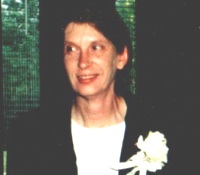
 The needful background for this story is that a little over a month ago my mother died. I avoid the use of any euphemism or distracting turn of phrase here because more than any other person I’ve ever known, she simply slowly and irrevocably shriveled up and just passed from existence. In point of fact I’m not sure that she was ever truly alive in any meaningful way at any point when I knew her.
To understand this one has to go back many years to her childhood. She was the eldest of three children and the only daughter; her mother was a very kind and simple woman while her father was an emotionally abusive alcoholic. I got very little information from mother about her childhood but she recalled with great vividness many episodes in which her father careened down the road, drunk off his ass, taking great pleasure at the screams of his terrified children in the back seat. By the time I knew my grandfather he had mellowed considerably but one could still see the vestiges of a domineering father figure.
When it came time for my mother to head to college, she aspired above all to work with animals. She ended up at Purdue so she was in the right place at the right time but unfortunately, her father would have none of that. He insisted, as mom tells it anyway, that being a veterinarian was not a proper profession for a woman and that he would only support her if she trained to become a teacher instead. My shy and retiring mother didn’t agree but she went along with the plan. Sadly, uninspired by the curriculum, she didn’t make it past her first year of classes. Within 12 months she was back in Frankfort working in a factory.
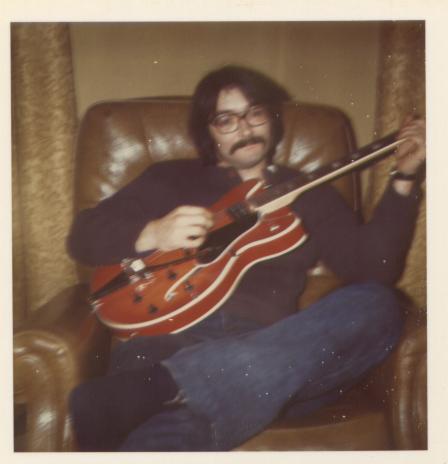 After a few years back in town she met my father; in a way they were a good match. My father was a rebel and my mother needed that influence. Grandpa, of course, wasn’t terribly happy about it. Family history has it that there were a few instances in which my grandfather made his displeasure with my father clear using a firearm. I suspect on some deeper level that my mother married my father at least in part just because he disapproved so strongly. They married in 1972 and less than two months later I was on the way. I’ve written elsewhere in this blog about my mother’s view on motherhood so I won’t rehash it but suffice to say that a human child was the last thing she needed at this juncture in her life.
My parents remained married for about 15 years and putting both halves of the story together they really seemed to be working at right angles to each other. To hear my father’s side of the story, his basic issue was that he seemed to just lose interest in her. She didn’t grow as a person, he said, at all during the years of their marriage. As a result he ended up seeking fulfillment in his artwork, carpentry and (it is rumored) “outside the marriage.” On her side, she said she was doing everything she could to make him happy. I understand completely why she would have done so; given her relationship with her father, this was just how relationships with men are supposed to go. She tried to emulate her obedient and subservient mother but that was the last thing my father wanted out of a marriage. He hung on as long as he did only out of some sense of duty to me, I suspect.
When their marriage ended, things went downhill quickly, but I recall exactly one lucid and connected conversation with my mother from that time. After my father had left the house for good she sat on the bed next to me and said simply, “well, it’s just you and me now.” I recall feeling elated; not because I wanted my father to leave but because I wanted desperately for things to change. Even if they changed for the worse there was a chance that I’d not be stuck in that room. Sadly, that moment of lucidity passed in a flash. A few months later she attempted suicide (pills) and I was put in the care of my grandparents permanently.
My contact with her after that was sporadic at best and when we did speak our conversations were awash in her intense mental illness. She insisted that my father was still harassing her by driving past the house multiple times a day. People at work, she claimed, talked about her behind her back and were trying to get her fired. Eventually she told me in rather impolite terms to stop calling her at all; she honestly believed I was only calling to check up on her so I’d know when she died and could get her money. At the time of her death I hadn’t spoken to her for years except to tell her when my father passed away.
A month ago when I walked into my mother’s house for the first time in over a decade I didn’t know what to expect. I had hopes, of course, that somehow I’d find some answers to the puzzle that was my mother. This woman gave birth to me but to be honest I didn’t really know her. She was an archetype of mental illness and abused child but at no point did I ever really KNOW her as a person. I had hoped on some level to finally unravel part of the mystery to find out who my mother really was as a person beyond the high-level view I had.
After spending several hours digging through the contents of her house, it became clear that there were no answers. There was one photo album; it contained pictures only of herself and every animal she’d ever owned. All photos of me or other family members were absent. She had very neatly trimmed everyone else in the universe out of her life because her brain had tricked her into thinking that everyone she knew, past and present, was a deceiver and out to get her somehow.
The only glimmers of her came in the form of a few oddments. She had become fairly obsessed with Sam Elliott as evidenced by a box of magazines and several movies. Her cedar chest contained a few remembrancers from past pets: a parakeet perch, her last dog’s collar. She kept legal documents, tax returns, one letter from my ex wife with photos of the kids. My mom turned to the Bible at some point for hope and inspiration but it was short lived; she had a notebook devoted to the topic but only the first page was ever used. All in all the physical footprint she left on this world over almost 70 years was remarkably scant.
Either my mother was very good at hiding herself or (as my father would say if he were here) maybe there just wasn’t anything there in the first place. He was very intent on the idea that in many ways my mother was a non-person because she never put herself first enough to develop into someone real. Life was always about making her father happy or making him happy but it was never about making herself happy. So maybe I went into that house looking for a mom that never existed in the first place.


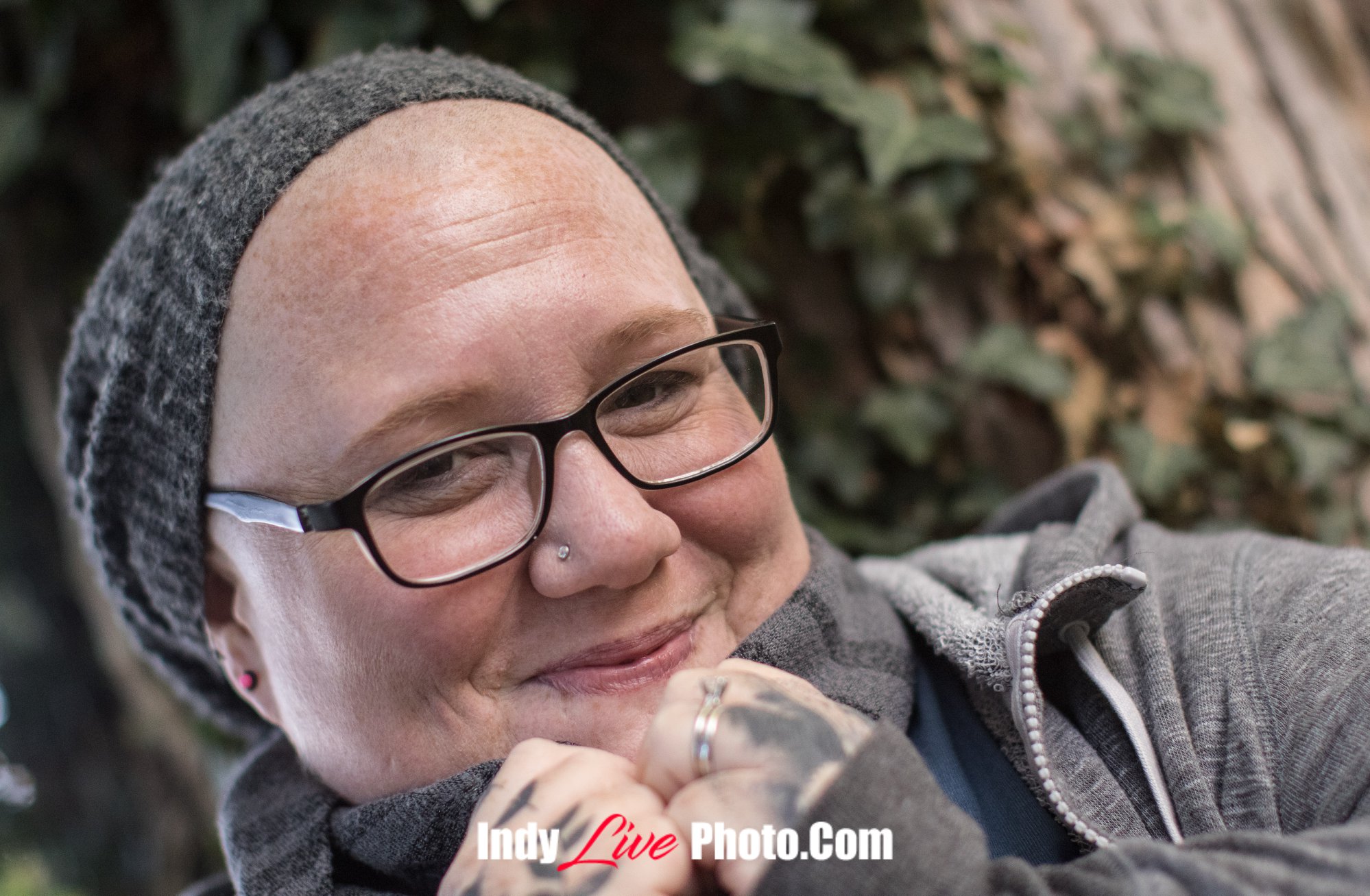
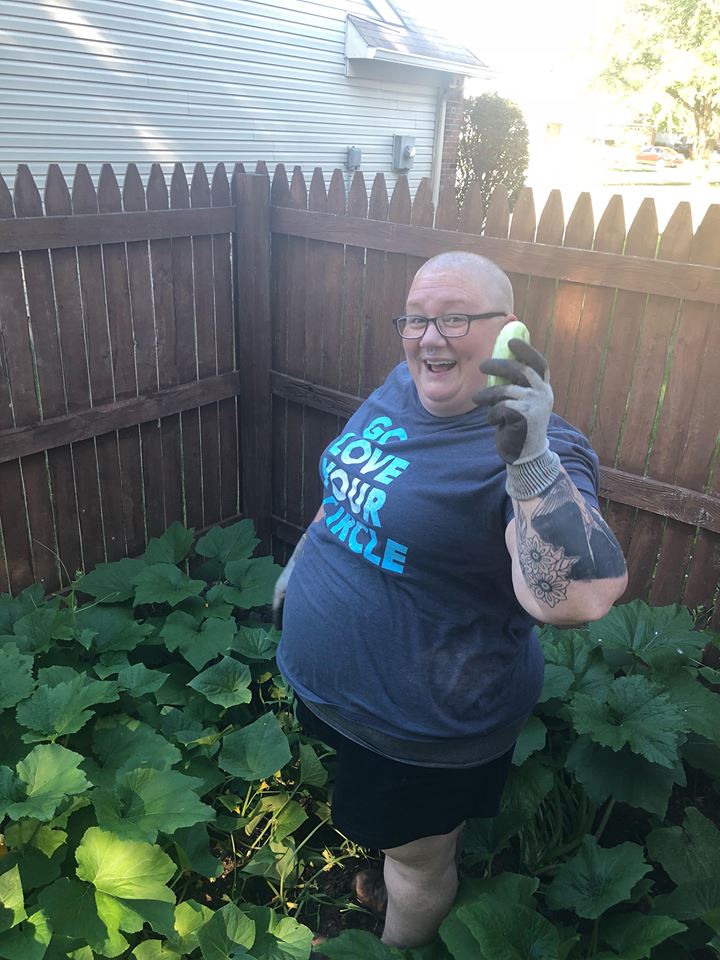


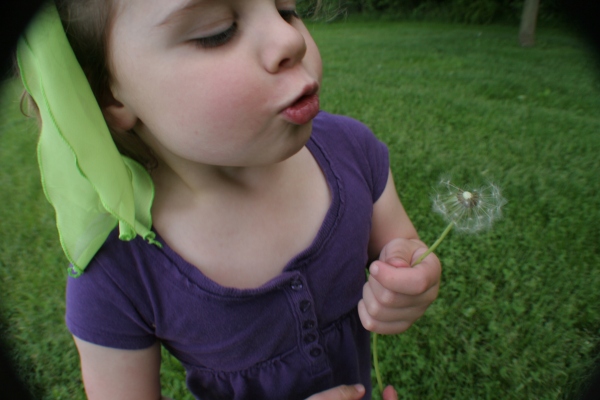 I realized today just how and when I screwed up my foray into photography. The fundamental malfunction came about at exactly the second that I began to care what anyone else thought about what I was doing.
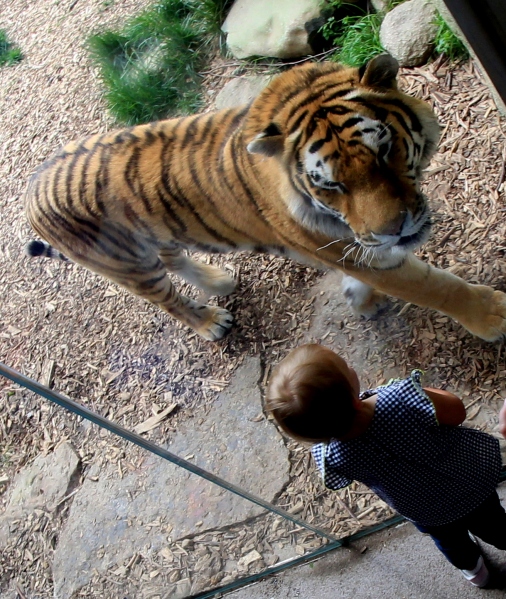 For many years, photography went along in much the same groove. I wandered about, captured what I saw, posted it somewhere in the endless oblivion that is the internet and left it to sit for a decade. When I look back at those photos now I’m similarly impressed by the feelings they summon up for me. Does anyone else get the same vibe from them? I could not possibly care less. They do so for me and to be frank there is no person I would rather give pleasure to than me.
 So from this day forward I declare simply, and concisely, that you are welcome to look at my work and do what you will with it but I sincerely and completely don’t give a damn what you think because it’s not really for you anyway. You’re not going to look back on it in ten years and think about the nuance of expression in a particular photo or ponder the larger context of the instant in time that was captured… but I am. This is my life in these photos and in these words and you are more than welcome to share them with me but I can’t let you influence them lest they be untrue to me.
 This afternoon I read a sci fi short story entitled “The Gold at the Starbow’s End” by Frederik Pohl (1973). In it, a scientist devises a plan to strand eight people on a spacecraft bound for Alpha Centauri on a contrived mission to colonize a planet that doesn’t really exist. He does this because he believes that if you put humans into a situation away from distractions and modern convenience and allow them to focus solely on solving difficult problems that the results will be profound and sufficient to change the world. The story, in its detail, is fairly preposterous but I think that there may be a hefty thread of truth winding through this concept.
 The Tattered Thread